
Iceland Volcano Eruption 2026
Reykjanes & Grindavík Updates
Iceland is one of the safest places in the world to experience active volcanoes. This page gives you up-to-date information about eruptions on the Reykjanes Peninsula, how they affect travel, and what you should know before visiting the Fagradalsfjall area. You will also find safety tips, an eruption timeline, and answers to the most common questions from our guests
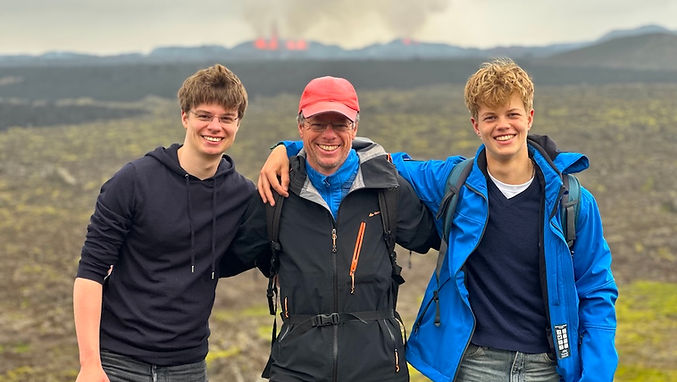
Is It Safe To Visit Iceland During Volcanic Activity?
Yes. Traveling to Iceland is considered safe, even during periods of volcanic activity on the Reykjanes Peninsula.
Icelandic authorities monitor earthquakes, lava flow, and gas levels around the clock. Roads, towns, and hiking areas are opened or closed based on clear safety rules. When an area is unsafe, it is blocked off, and tours are not allowed to operate there.
For visitors, this means you can still enjoy your trip while authorities handle risk management in the background. Flights to Keflavík International Airport have remained open during recent eruptions, and there has been no general “do not travel” warning for Iceland.
If you want to explore the eruption area safely with experts, you can join our Fagradalsfjall Volcano Tour or read our volcano FAQ page for practical travel guidance, safety tips, and real local updates.
Reykjanes Eruption Timeline 2021–2026
The Reykjanes Peninsula woke up after about 800 years of quiet. Since 2021, several eruptions have created new lava fields and craters close to Reykjavík.
Key Events
-
March 2021 – Fagradalsfjall eruption
First eruption in the area in centuries. New lava field in the Geldingadalur valley.
-
August 2022 – Meradalir eruption
Second eruption near Fagradalsfjall, with wide lava flows in Meradalir valley.
-
July 2023 – Litli-Hrútur eruption
New fissure north of previous sites, with long hiking routes and strong lava flow.
-
December 2023 – February 2024 – Grindavík eruptions
A series of eruptions near the town of Grindavík and the Sundhnúkur crater row. Lava threatened infrastructure and led to evacuations.
-
May–November 2024 and 2025 – Sundhnúksgígar activity
Repeated fissure eruptions along the Sundhnúksgígar system. Some areas are restricted, others open only with guides when authorities allow it.
*The pattern suggests a long-term active cycle on the Reykjanes Peninsula, with new eruptions likely in the coming years.
When Can I See Red Lava Or Flowing Lava?
This is the most common question we receive. The honest answer is simple:
-
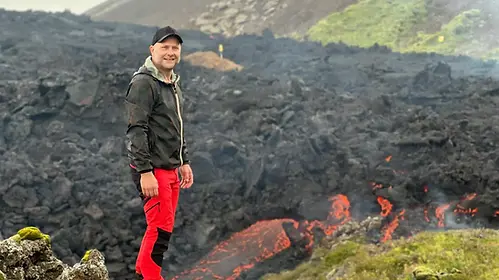
You can see glowing red lava only during an active eruption
-
Access is possible only when authorities open the area and conditions are safe
When an eruption is active and the site is open, we adjust our hikes to reach the best legal viewpoint. These days are unforgettable and feel very special for everyone on the tour.
When there is no visible lava, the hike focuses on fresh lava fields, craters and the impact on Grindavík and the Reykjanes Peninsula. The landscape is still impressive, even without red lava.
Seeing lava is never guaranteed, and no company can promise it. What we can guarantee is a guided visit to Iceland’s newest volcanic terrain with local experts who have followed every eruption since 2021.
Official Sources For Eruption & Safety Updates

For real-time information, always check these official Icelandic sources:
-
Icelandic Meteorological Office (vedur.is) – earthquakes, magma movement, and eruption alerts
-
SafeTravel.is – travel alerts, road closures and safety advice in English
-
Icelandic Road Authority – road conditions and closures
-
Civil Protection / Government of Iceland – official notices and press releases
-
National media: RÚV local news, mbl.is and visir.is – reliable news coverage in Icelandic and English
We use these sources daily when planning our tours, together with local knowledge from Grindavík and the Reykjanes area.
Volcanic Gas And Safety Near The Eruption Sites

Volcanoes in the Reykjanes Peninsula mostly release lava and gases rather than large ash clouds. The main gases are:
-
water vapour
-
carbon dioxide (CO₂)
-
sulfur dioxide (SO₂)
Short-term exposure in open air is generally safe for healthy people, but gas pockets can cause irritation for sensitive visitors. That is why we:
-
carry portable gas meters on all active-eruption hikes
-
choose viewpoints where gas levels are within safe limits
-
cancel or change routes if authorities report poor air quality
If you have asthma or other respiratory issues, we recommend checking with your doctor before booking and always following your guide’s instructions on site.
Volcano Names Explained – Fagradalsfjall, Meradalir, Litli-Hrútur And More

Many names used in the media describe the same general volcanic zone:
-
Fagradalsfjall – the mountain and wider area on the Reykjanes Peninsula
-
Geldingadalir / Geldingadalur – the valley where the 2021 eruption started
-
Meradalir – valley where the 2022 eruption took place
-
Litli-Hrútur – hill north of earlier lava fields, site of the 2023 eruption
-
Sundhnúksgígar / Sundhnúkur crater row – long fissure system behind the recent Grindavík eruptions
All of these belong to the same active volcanic system close to Reykjavík and Keflavík Airport.
Practical Travel Tips For Visiting The Eruption Area
Weather in Iceland changes fast. Even on a calm day near the volcano you can meet strong wind, rain and sun in a few hours.
We recommend:
-
waterproof jacket and pants
-
warm base layers and a light sweater or fleece
-
wool hat, gloves and warm socks
-
sturdy hiking boots with good grip (sneakers are not ideal)
-
reusable water bottle and snacks or energy bar
-
small backpack for extra layers and camera
If you join one of our guided hikes, we provide walking poles and crampons when conditions require them.

FAQs About Iceland Volcano Travel
Is Iceland open for tourists during eruptions?
Yes. Flights to Iceland operate as normal during Reykjanes eruptions unless airlines state otherwise. Specific roads or hiking areas may close, but the country as a whole remains open for visitors.
Can children join a volcano hike?
Yes, many families visit the Fagradalsfjall area. Group hikes are best for active older children and teens. For younger kids or guests who need a slower pace we recommend booking a private tour.
What happens if my tour is cancelled because of an eruption or closure?
If authorities close the area or conditions are unsafe, tours are cancelled or moved. Direct bookings with 2Go Iceland Travel receive clear options by email, such as rescheduling or refund according to our terms. If you booked through Viator or GetYourGuide, they handle your refund.
Should I book a guided tour or visit on my own?
The area is public, but guided tours give you updated eruption information, safer route choices, and local context about Grindavík and the Reykjanes Peninsula. Many guests prefer to hike with someone who knows the terrain and follows all safety alerts.
If you still have questions, contact us and we’ll help you plan the best option for your visit.

Guided Volcano Tours With 2Go Iceland Travel
2Go Iceland Travel is a licensed travel agency based in Reykjavík and operating since 2012. Our team lives in the Reykjanes area and has guided thousands of guests at Fagradalsfjall and Grindavík since the first eruption in March 2021.
Why travelers choose us for volcano hikes:
-
local guides from Grindavík and the Reykjanes Peninsula
-
routes updated after every eruption from 2021 to 2025
-
gas meters, safety planning and small groups
-
flexible options: Reykjavík pickup or self-drive meeting point
You can link here to your key products:
-
Fagradalsfjall Volcano Hike – Small Group Tour
-
Private Fagradalsfjall Volcano Tour
-
Grindavík Volcano & Lava Impact Tour (if active)
For current availability and direct booking offers, visit our Fagradalsfjall Volcano Tours website or contact us for a custom private tour.


